Polar Vortex Incoming: Protect Your Home During Extreme Cold
A blast of Arctic air is on its way, bringing some of the coldest temperatures we’ve seen this winter. With a polar vortex dipping into Ontario, daytime highs could plunge into the -20s, with wind chills making it feel closer to -30 or worse in some areas.
Extreme cold doesn’t just make winter uncomfortable, it can put real stress on your home. Frozen pipes, ice buildup, heating failures, and slippery walkways are all common issues during prolonged cold snaps. A little preparation now can go a long way in preventing damage and keeping your family safe.
Here’s how to get ready.
1. Protect Against Frozen Pipes
One of the most common and costly winter claims we see involves burst pipes. When water freezes, it expands, and that pressure can crack or rupture plumbing.
To reduce the risk:
- Keep your thermostat set to a consistent temperature, even overnight.
- Open cabinet doors under sinks to let warm air circulate around pipes.
- Let faucets drip slightly during the coldest periods.
- Insulate pipes in unheated areas like basements, crawl spaces, garages, and exterior walls.
- If you’ll be away, never turn your heat off completely.
If a pipe does freeze, shut off your main water supply right away and call a plumber.
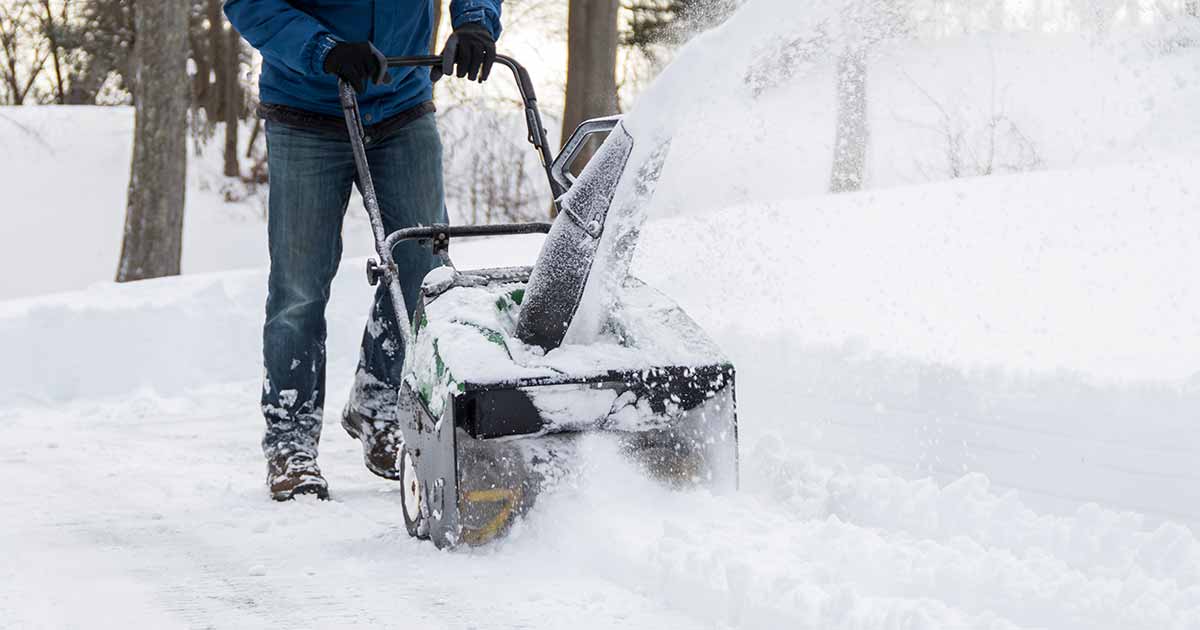
2. Keep Walkways and Entrances Clear
Snow and ice build up quickly during extreme weather. Slippery walkways can lead to injuries for you, your family, and visitors.
- Shovel regularly, especially after heavy snowfall.
- Use salt or sand to improve traction.
- Pay attention to steps, porches, and driveways where ice can form overnight.
Preventing falls is just as important as preventing damage.
3. Prepare an Emergency Kit
Power outages are more likely during severe cold. Having a simple emergency kit on hand can make a big difference.
Consider including:
- Flashlights and extra batteries
- Bottled water and non-perishable food
- Blankets and warm clothing
- A first-aid kit
- A battery-powered radio
- Phone chargers or power banks
Store your kit in an easy-to-reach place so it’s ready when you need it.
4. Check Your Heating System
Your furnace works hardest during extreme cold.
- Replace furnace filters if they’re dirty.
- Make sure vents and air returns aren’t blocked.
- If your system is making unusual noises or struggling to keep up, consider having it checked before temperatures drop further.
A small issue can quickly become a major problem when the weather turns harsh.
5. Review Your Insurance Coverage
Even with preparation, winter weather can be unpredictable. Frozen pipes, water damage, roof issues, and power-related losses can still happen.
Now is a great time to review your home insurance coverage and make sure you understand:
- What’s covered if a pipe bursts
- How water damage is handled
- Whether your limits are still appropriate for your home and belongings
Our team is always happy to walk you through your policy and answer questions, before a problem occurs.
Extreme cold is part of life in Ontario, but it doesn’t have to catch you off guard. Taking a few proactive steps now can help protect your home, your belongings, and the people you care about most.
Click here for more winter safety tips from the Insurance Bureau of Canada.
Stay safe this weekend.
We’re all ears.